Why Your Toilet Keeps Running
Most of the time, a toilet keeps running because one worn part inside the cistern causes the whole fault. A licensed plumber finds it fast. This guide from your Bald Hills team at Bald Hills Same Day Plumbing covers what each noise means, how to test for a leak, and where the DIY line sits.
If we're late, $100 comes off your bill

- Licensed and InsuredEvery job done by a licensed plumber. QBCC No: 15024607
- Fixed Quote FirstFlat-rate pricing, agreed before any work starts
- Lifetime Labour WarrantyBacked by our Fix-It-or-It's-Free guarantee (T&Cs apply)
- $0 Call-Out FeesNo extra charge for nights, weekends or public holidays
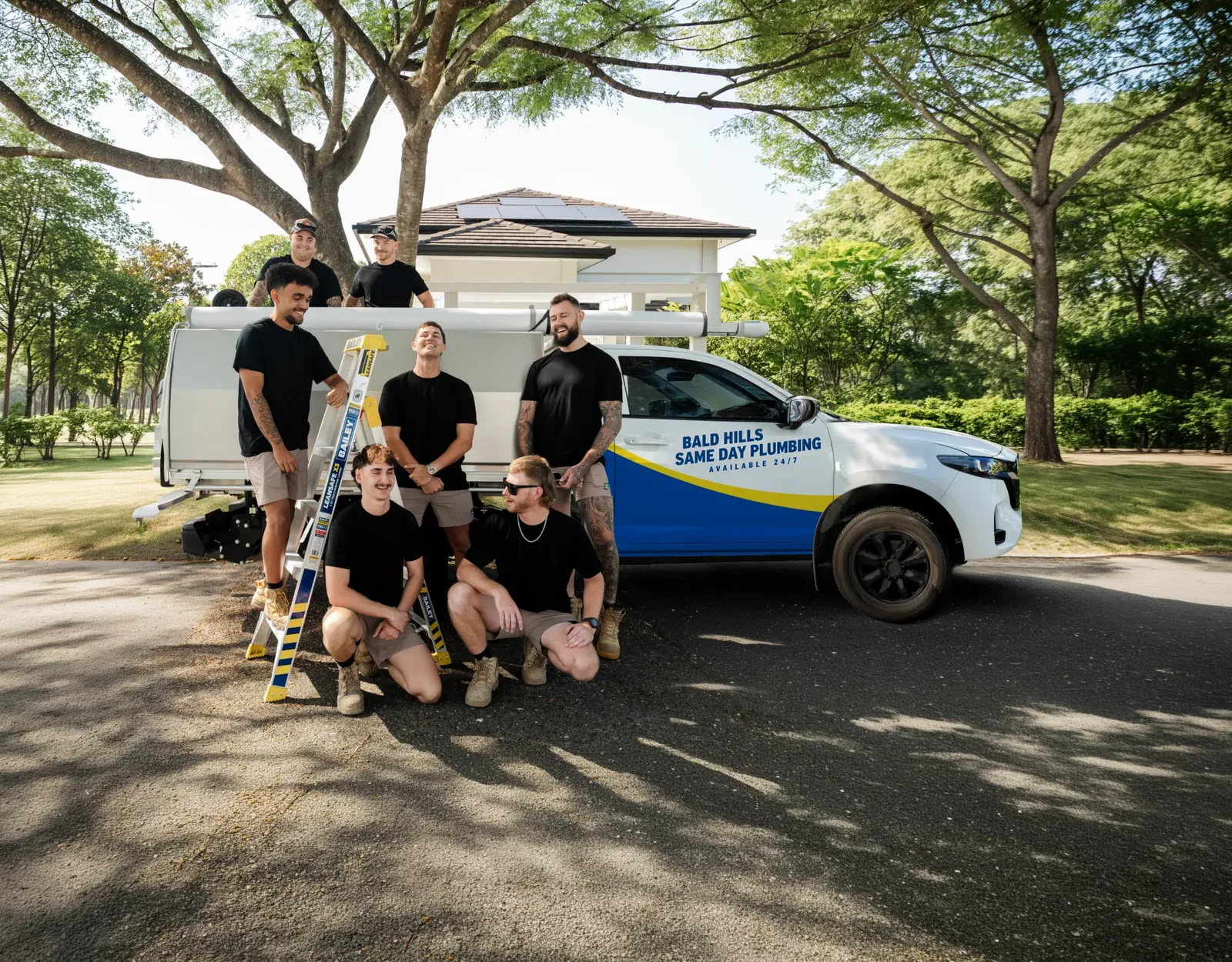
Cisterns here range from postwar brass valves to near-new plastic, because the suburb's houses span the 1960s estates through to the 2000s builds. The symptoms shift a little with the vintage, but the three causes stay the same.
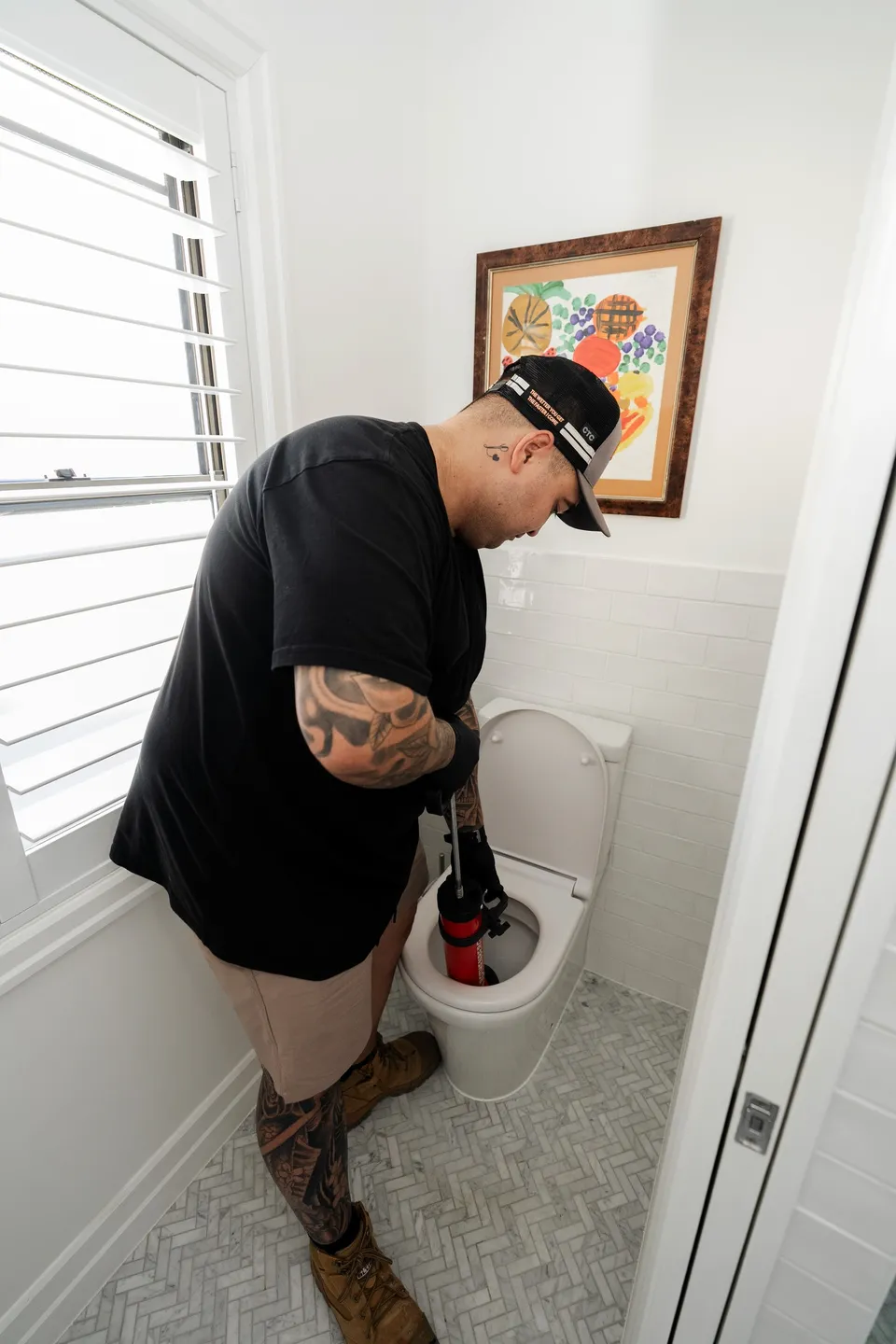
Why the Cistern Never Stops Filling
Three faults keep a cistern filling: an inlet valve that will not shut off, a flush valve seal that leaks, or a level set too high. Each one leaves its own signature:
A hiss that keeps going
after the refill finishes means the inlet valve is not closing.
The cistern topping itself up
every few minutes, or water tracing down the inside of the pan, means the flush valve seal is worn.
Water spilling from the overflow
, or an overflow pipe dripping outside, means the level is set past its mark.
The inlet valve refills the cistern after each flush and closes once the float reaches its set level. The flush valve, also called the outlet valve, holds that water between flushes. When its seal wears, water slips past into the pan, the inlet valve keeps topping up, and the running sound never ends.

When the Cistern Will Not Fill
A cistern that refuses to fill usually has a worn or blocked inlet valve, a float set too low, or a stop tap only partly open. Check the stop tap first, because a valve partly closed starves the whole refill.
One pattern deserves its own note. When water runs hard but the level never rises, the flush valve seal may be draining the cistern as quickly as the supply fills it.
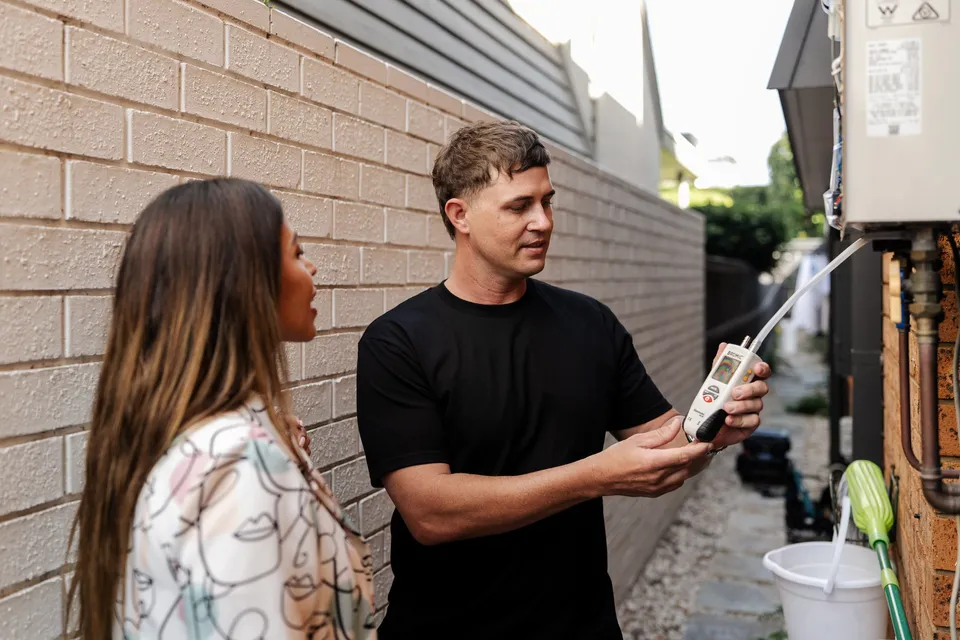
The Dye Test for a Leaking Cistern
Drip food colouring into the cistern, leave it with no flush, and check the bowl: colour appearing there means water is escaping from the cistern into the pan. The full test runs like this:
- Lift the cistern lid and drip in enough food colouring to tint the water.
- Walk away and leave it, with no flushing while the colour sits.
- Colour in the bowl after that wait means the flush valve seal is leaking.
- Flush to clear the colour when you are done; it will not stain a ceramic bowl.
A clear bowl means the flush valve is holding, so the inlet valve and the water level are next. No colouring at home? Press a strip of dry toilet paper against the back of the bowl, above the water line. It should stay dry unless water is tracing down the pan, which points to a leak.
Where Home Owner Toilet Repairs Stop
The QBCC names three cistern parts as unregulated work: the drop valve washer, the float valve washer and the suction cup rubber. Anyone with the know-how may swap those three, and no licence, approval or report is needed, though the finished job still has to meet the standards the codes set.
Everything else on a toilet is minor work, and a licensed plumber does it: opening the cistern, adjusting the float, replacing the flush valve assembly or touching the pan connector. In a Queensland rental, tenancy law puts repairs with the owner or manager, and the tenant reports a fault straight away.

Who Pays for Water a Cistern Wastes
No, the concealed leak adjustment will not pick up water a cistern wastes. Urban Utilities excludes leaking cisterns from that adjustment, along with taps, hot water systems and similar appliances. The owner of the property carries responsibility for leaks on their land and the losses that follow.
That is why a running cistern is worth sorting early. The water keeps flowing whether anyone watches or not, and the account follows the owner.
When to Call a Plumber
Ring us once the dye test shows colour in the bowl, or when the hiss outlasts a day. A cistern rarely heals itself, and every week it runs adds to the owner's water account. Our toilet repairs crew diagnoses the fault, fits the replacement part and sets the water level before leaving.
Plenty of cisterns here are decades old, from postwar valves on the older streets to the near-new fittings around the Guide Dogs Queensland centre. Age stiffens the valves and shrinks the seals, so the running sound tends to arrive with the years.
Toilet Questions From Bald Hills
Call (07) 3523 6417Can I fix a running toilet myself in Bald Hills?
Yes, but only for three parts. The QBCC treats a cistern's drop valve washer, float valve washer and suction cup rubber as unregulated work, which anyone with the know-how may swap, provided the result still meets the standards. Every other toilet repair is minor work for a licensed plumber.
Will Urban Utilities cover a running toilet in Bald Hills?
No. Urban Utilities' concealed leak adjustment excludes water wasted through a leaking cistern, and the property owner carries responsibility for leaks on their land and the losses from them. The bill stays with the owner.
What does it cost to fix a running toilet in Bald Hills?
Two things drive the price: which part inside the cistern has failed, and how easily we can reach the cistern and its stop tap. A fixed quote before any work starts settles the figure.
Who fixes a running toilet in a Bald Hills rental?
Queensland tenancy law puts repairs with the owner or manager, and the tenant reports the fault straight away. A running cistern is not on the emergency list, so it counts as routine and belongs on a reasonable timeframe. A toilet that is blocked or broken is an emergency.

Call Us About the Running ToiletWe'll call you back.
Ring (07) 3523 6417 and tell us what's wrong. You get $0 call-out fees, a fixed quote before any work starts and same-day where we can, 7 days a week.
To claim your $0 call-out fee, call (07) 3523 6417 today.